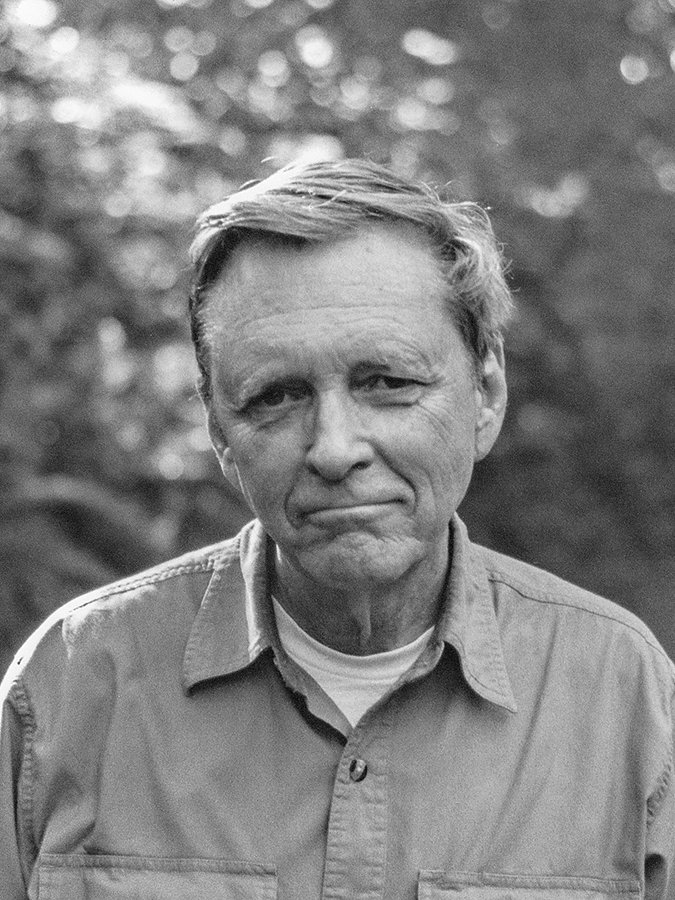
Photographer
Robert Adams
- Birth Year1937
- NationalityAmerican
Biography
Robert Adams (born 1937) is an American photographer whose work has profoundly reshaped the understanding of landscape photography in the late twentieth century. His quiet yet morally urgent images explore the changing terrain of the American West, examining how suburban expansion, deforestation, and industrial development have altered once‑open land. Adams approaches the landscape not as untouched wilderness but as a space shaped by human decisions, balancing clarity of description with a deep ethical concern for what has been lost.
His breakthrough book “The New West” (1974) and participation in the influential 1975 exhibition “New Topographics: Photographs of a Man-Altered Landscape” helped redefine the genre by bringing attention to everyday built environments—tract housing, parking lots, commercial strips, and disturbed land—rendered with calm, luminous black‑and‑white precision. Rather than idealizing nature, Adams photographs the intersection between beauty and damage, revealing the tension between America’s mythic landscapes and the realities of modern development.
Throughout his career, Adams has produced extensive series in Colorado, California, and Oregon, focusing on themes such as clear-cut forests, quiet suburban neighborhoods, and the fragile persistence of light and space in damaged environments. His work has been widely exhibited and published, and he has received major honors including multiple Guggenheim Fellowships, a MacArthur Fellowship, the Deutsche Börse Photography Prize, and the Hasselblad Award. He continues to live and work in the Pacific Northwest, creating contemplative bodies of work that reflect on land, stewardship, and the moral responsibilities of witnessing change.
Robert Adams, an American photographer born in 1937 and originally from Orange, New Jersey, began photographing in 1963 while completing a Ph.D. in English at the University of Southern California. In 1967, while teaching English at Colorado College, he was asked to photograph residential development around Colorado Springs for a conference on the western landscape. His work subsequently focused on urban and suburban expansion and its effects on the natural environment.
Adams published this work in The New West: Landscapes Along the Front Range (1974) and Denver: A Photographic Survey of the Metropolitan Area (1977). He later returned to rural subjects in books including Our Lives & Our Children: Photographs Taken Near the Rocky Flats Nuclear Weapons Plant (1984) and Cottonwoods (1994). His photographs examine environmental change associated with suburban growth and nuclear weapons technology across the American West.
Adams participated in the 1975 George Eastman House exhibition New Topographics: Photographs of a Man-Altered Landscape. His distinctions include National Endowment for the Arts Fellowships in 1973 and 1978, a Guggenheim Fellowship in 1973, and a MacArthur Foundation Fellowship. His black-and-white landscape practice draws on earlier western photography while addressing the tension between regard for the region and concern over human damage to it.
Robert Hickman Adams, born May 8, 1937, in Orange, New Jersey, is an American photographer whose work examines the changing landscapes of the American West. After his family settled in Wheat Ridge, Colorado, in 1952, he studied English at the University of Redlands, earning a BA in 1959, and completed a PhD in English literature at the University of Southern California in 1965.
Adams began photographing in the 1960s while teaching English at Colorado College and became a full-time photographer in 1970. His book The New West (1974) and his inclusion in the 1975 exhibition New Topographics: Photographs of a Man-Altered Landscape at George Eastman House established his association with the New Topographics movement. His photographs frequently address development, environmental change, and what persists within altered Western landscapes.
His honors include Guggenheim Fellowships in 1973 and 1980, a MacArthur Fellowship in 1994, the Deutsche Börse Photography Prize in 2006, and the Hasselblad Award in 2009. He was elected to the American Academy of Arts and Letters in 2014 and inducted into the International Photography Hall of Fame in 2020. Major retrospectives have been presented by institutions including the Philadelphia Museum of Art, Yale University Art Gallery, the Denver Art Museum, the Los Angeles County Museum of Art, and the Museo Nacional Centro de Arte Reina Sofía.
Photobooks
Eden
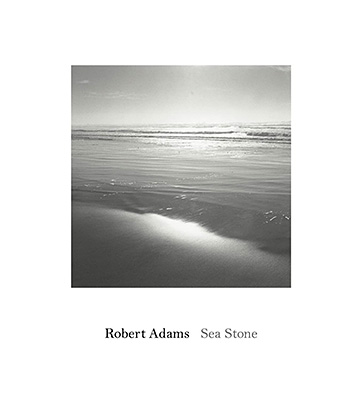
Sea Stone
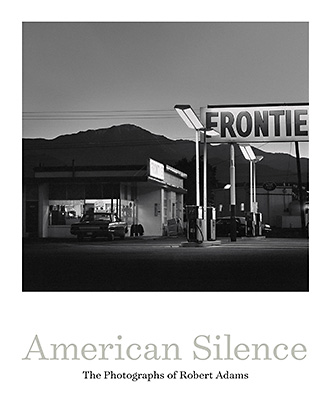
American Silence: The Photographs of Robert Adams
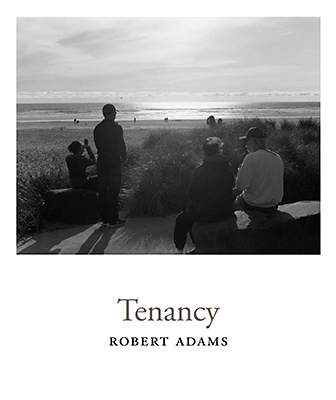
Tenancy
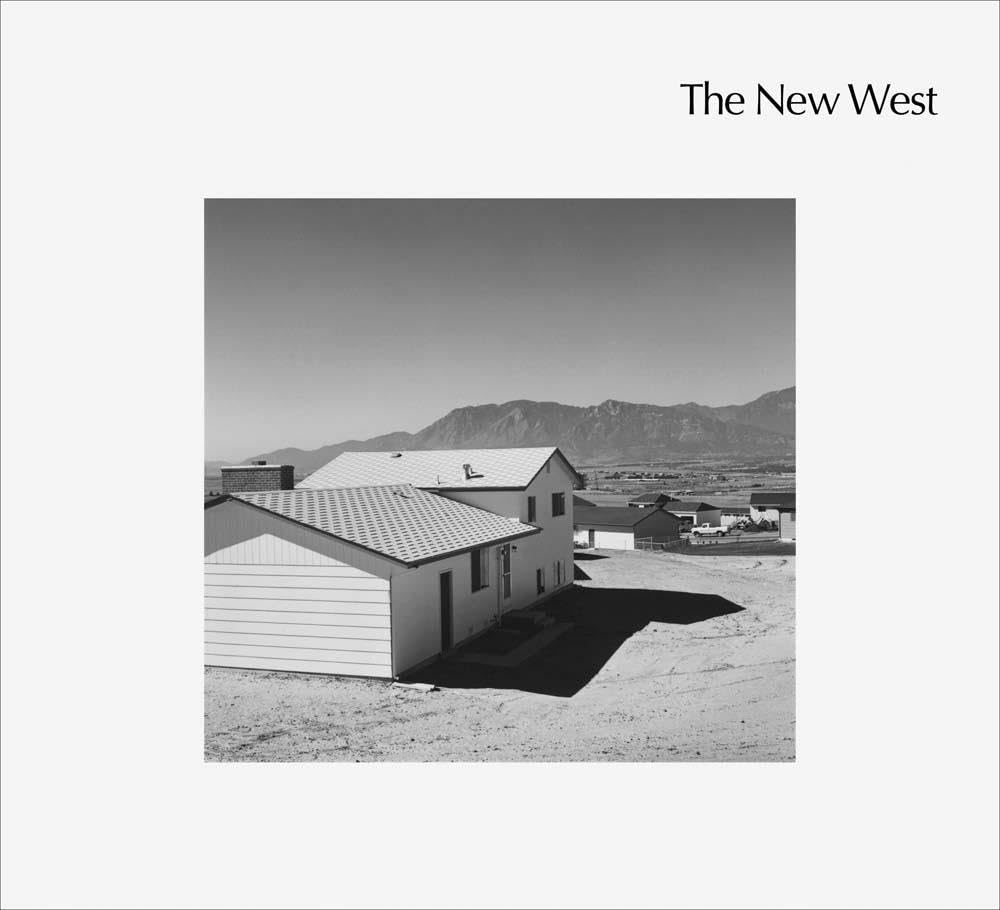
The New West
A Road Through Shore Pine
The Place We Live
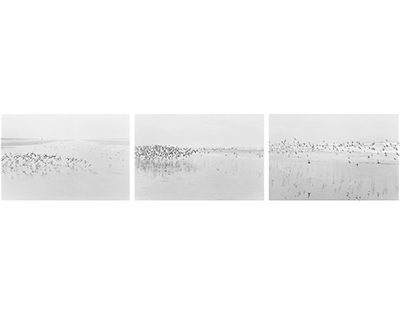
Light Balances / On Any Given Day in Spring
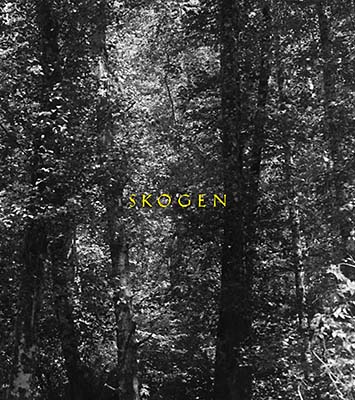
Skogen
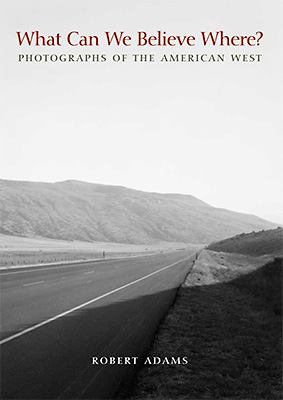
What Can We Believe Where?: Photographs of the American West
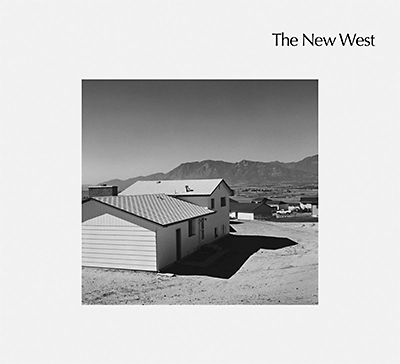
The New West: Landscapes Along the Colorado Front Range
Los Angeles Spring
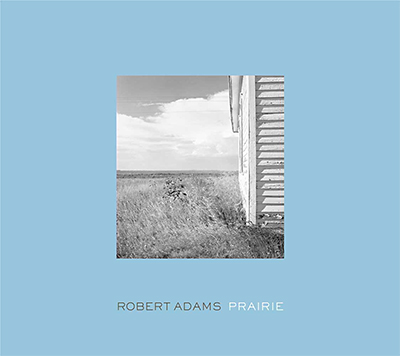
Prairie: Photographs
Articles & news
1Oral History Interview with Robert Adams, July 20, 2010 (opens a new site)
Toby Jurovics interviewed Robert Adams at the photographer’s home in Astoria, Oregon, about his upbringing, transition from teaching literature to photography, and the development and publication of his work. Adams also discusses landscape photography, environmental change in the American West, and the moral and spiritual concerns informing his practice.
Videos
3Robert Adams: Photographing a “landscape of mistakes” (opens a new site)
Robert Adams reflects on the mystery and contradictions of photographing the American West. Discussing landscapes in Colorado and California, he considers how photographs can hold evidence of human alteration alongside enduring beauty.
Robert Adams: Countless Miles of Photographs (opens a new site)
Publisher Gerhard Steidl visits Robert Adams at his home to deliver four reissued books. Adams, his wife Kerstin, and editor Joshua Chuang discuss revisiting the publications, while Adams reflects on how he began making photographs and what photography has meant to him.
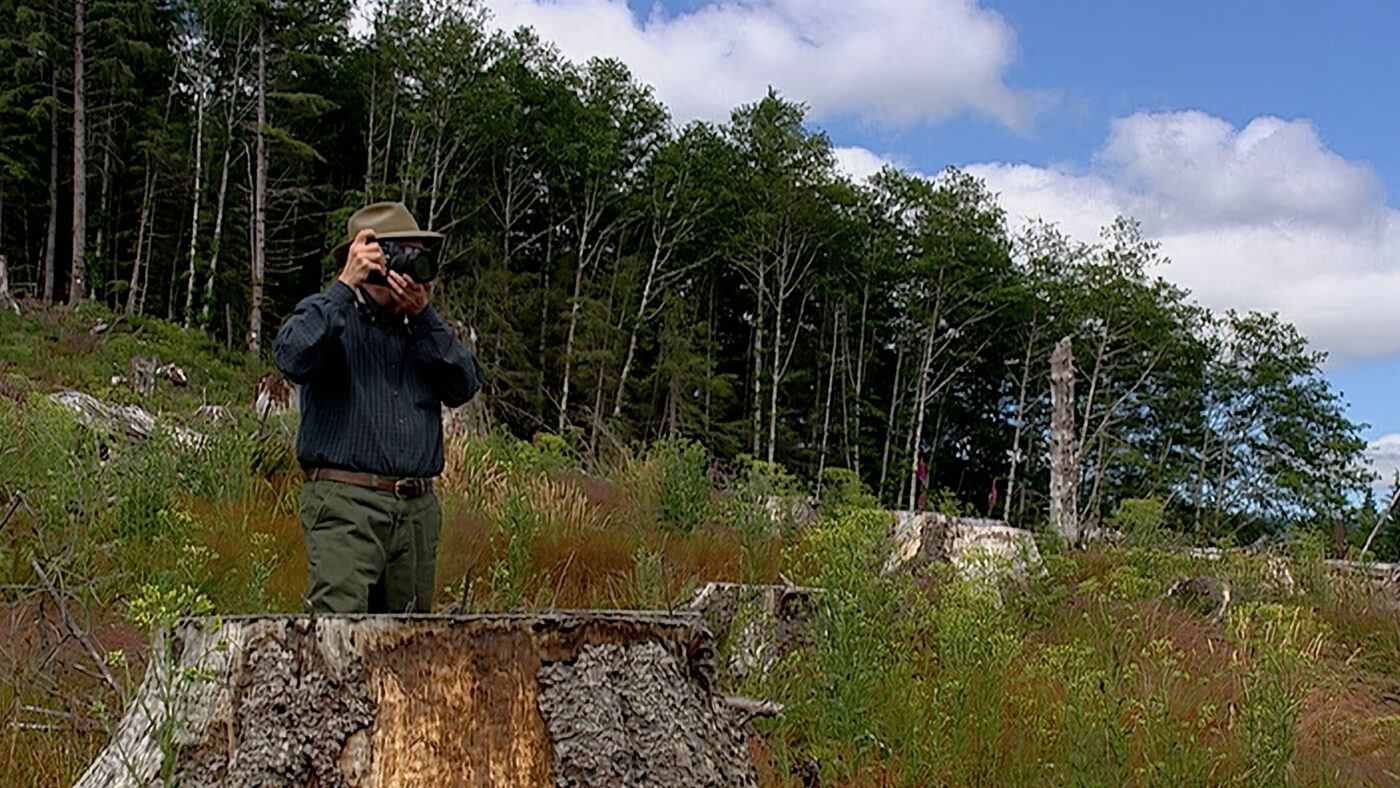
Robert Adams in “Ecology” (opens a new site)
Robert Adams discusses photographing suburban development around Colorado Springs and finding unexpected beauty in landscapes altered by human activity. The segment also considers his series Turning Back (1999–2003), made with his wife, which addresses deforestation in the American West.
Transcript (opens a new site)