← Back to Home

Laura Aguilar: Show and Tell

Collector Grade · C- Rarity · Common Deal · Weak Confidence · Low
Hardcover English 240 pages 1551 g

Experimental Legacy Market Signal

Rarity 18.4/100 · Collector 0/100 · Deal 2/100 · Listings: 1 · Avg price: $39.42 · Min price: $39.42

These scores use the legacy monthly asking-price aggregate. They do not use the new exact-edition, condition, completeness, and destination-shipping rules.

Description

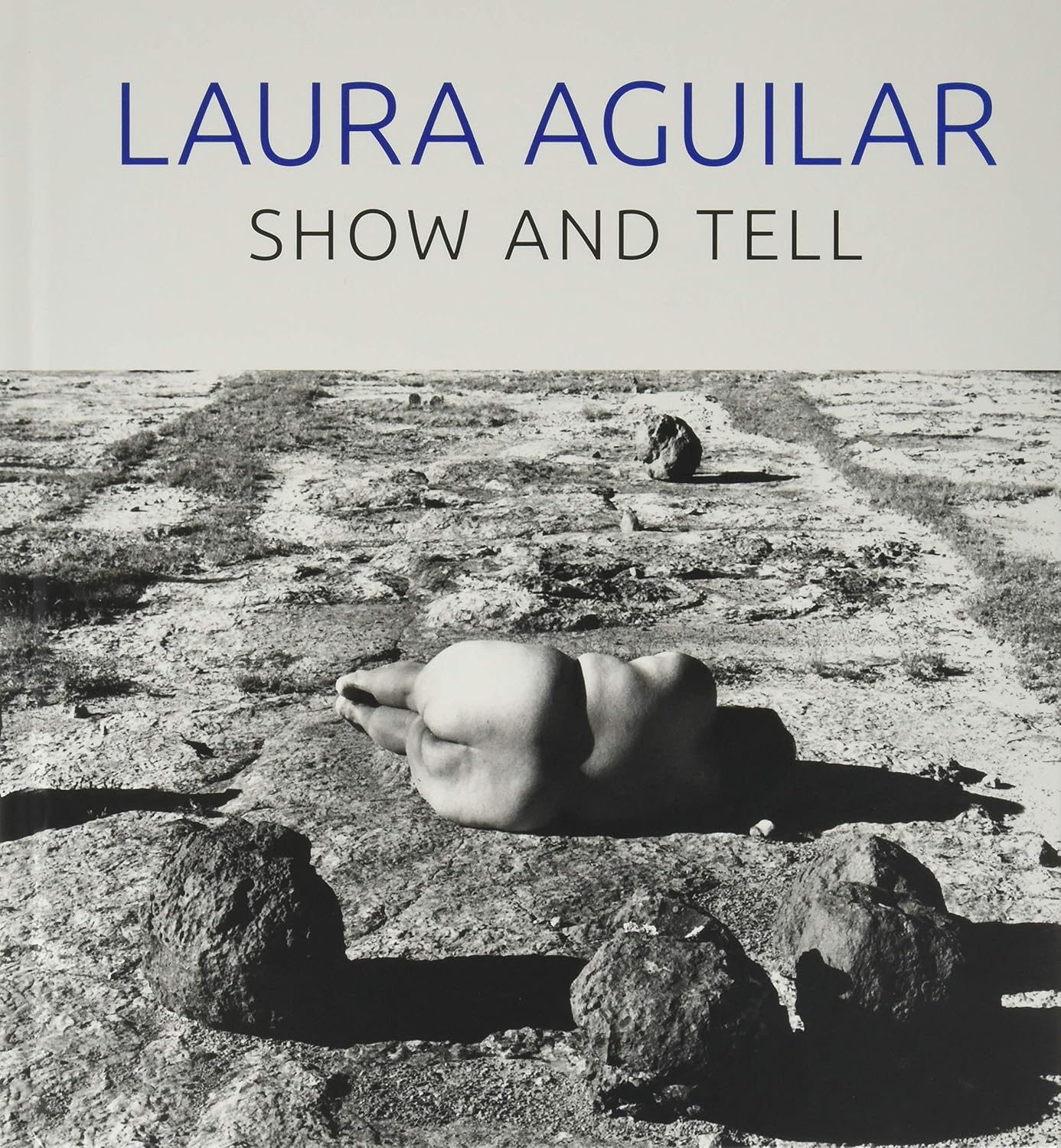
Published in 2017, Laura Aguilar: Show and Tell surveys the career of Chicana photographer Laura Aguilar. She is best known for black-and-white nude self-portraits, works in which the artist places her own body before the camera rather than remaining behind it. The book’s career-wide scope is important: it allows these widely recognized images to be considered as part of a sustained photographic practice rather than as an isolated motif.

Aguilar’s self-portraiture brings questions of authorship, bodily representation, and visibility into direct relation. The publication’s documented subjects include sexual minorities and social conditions, locating the photographs within histories that exceed formal portraiture alone. Yet the work remains grounded in the particular encounter between photographer, body, and image. Its force comes from that convergence of personal presence and broader social meaning.

Edited by Rebecca Epstein, the volume was issued by the UCLA Chicano Studies Research Center Press with the Vincent Price Art Museum at East Los Angeles College. It stands alongside the museum’s eponymous retrospective, giving the project both a scholarly and an exhibition context. This collaboration is especially pertinent to Aguilar’s work: it situates an individual career within institutional histories of Chicano studies, artistic photography, and the representation of communities often treated marginally in established narratives.

The hardcover runs to 240 pages in a substantial, nearly square format of approximately 26.7 by 29.2 centimeters. For a serious photography collection, its significance rests not on novelty but on concentration: a broad account of Aguilar’s career, anchored by her defining self-portraits and framed through a museum and research-center partnership. It offers a considered point of entry into her practice while preserving the larger context in which that practice was presented and studied.