Photographer
George Tice
George Andrew Tice (October 13, 1938 – January 16, 2025) was an American photographer whose work spanned more than six decades, focusing on the American landscape, urban scenes, and intimate architectural details. Born in Newark, New Jersey, Tice joined the Carteret Camera Club at age fourteen, laying the foundation for a lifelong commitment to the medium. His early life included a period in the U.S. Navy as a photographer’s mate, an experience that sharpened his technical skills and provided early subjects for his camera.
Tice’s visual language is characterized by a contemplative, exacting black-and-white aesthetic that often elevates the mundane and neglected corners of the American built environment. He favored the large-format camera, which allowed him to render fine detail and tonal gradations with remarkable precision. Unlike contemporaries who pursued street photography or documentary immediacy, Tice approached his subjects—from decaying storefronts to stately trees—with a preservationist’s care, seeking out quiet moments of harmony within urban and rural settings. His work is frequently described as both poetic and unsentimental, balancing reverence for the past with an unflinching view of growth and change.
Among his most significant bodies of work are his photographs of New Jersey, which earned him recognition as a de facto chronicler of his home state. His book “Fields of Peace: A Pennsylvania German Album” (1970) stands as a landmark study of the simple rural life and religious architecture of the Pennsylvania Dutch country, demonstrating his ability to find dignity in vernacular subjects. Another major project, “Paterson” (1972), documented the industrial city in New Jersey with a range of images that captured both its labor history and its topographical character. His later publications, including “Urban Romantic” (1982) and “Seacoast Maine” (1985), further solidified his reputation for rendering place with nuance and depth. His comprehensive retrospective book “George Tice: Life Work” (2024) gathered sixty years of images, offering a sweeping view of his career.
Tice’s historical significance lies in his contribution to the tradition of American landscape and cityscape photography, bridging the documentary rigor of the Farm Security Administration era with the more personal, formal concerns of later generations. He was a committed teacher and mentor, having worked as a portrait photographer and gallery co-founder before devoting himself fully to independent projects. His photographs are held in major collections, including the Getty Museum, and his death in 2025 prompted widespread commemorations from the photography community. While not as widely known as some of his contemporaries, his work has been consistently respected for its technical mastery and emotional restraint.
For photobook collectors, Tice’s publications are prized for their careful sequencing, elegant design, and faithful reproduction of his tonal palette. Working with publishers such as Rutgers University Press and David R. Godine, he exercised considerable control over the presentation of his images, making each volume a thoughtfully constructed object. A useful entry point is “Fields of Peace,” which pairs its serene subject matter with a hand-tipped plates process that showcases the tactile quality of his prints. Collectors interested in his urban work might begin with “Paterson,” a book that balances historical significance with visual richness. Tice’s estate and gallery representations continue to provide archival information, ensuring that his legacy remains accessible to scholars and enthusiasts alike.
〔PBL-BIO/2〕


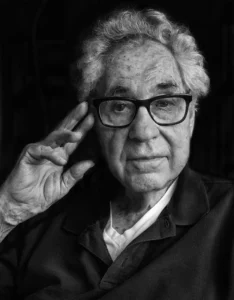
Elliott Erwitt
Shared publisher: W W Norton & Company Incorporated
8 photobook(s) in the library
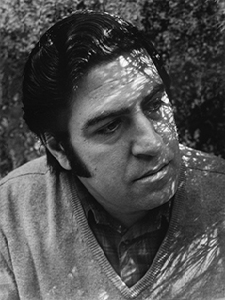
Paul Caponigro
Shared publisher: David R. Godine Publisher
4 photobook(s) in the library

Builder Levy
Shared publisher: David R. Godine Publisher
4 photobook(s) in the library
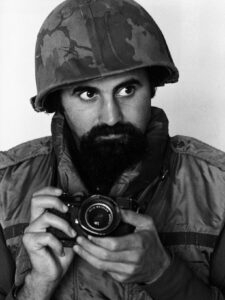
Abbas
Shared publisher: W W Norton & Company Incorporated
4 photobook(s) in the library
COMMUNITY DISCUSSION
Discuss this entry
Share interpretations, reading notes, and source-aware questions. For catalog corrections, use the feedback form below.
No discussion yet. Start the first focused conversation.
Sign in to join the discussion.
Optionally receive a digest when related photobooks are added to the catalog.
See something incorrect? Sign in to suggest a correction or report an issue.