Photographer
Leonard Freed
Leonard Freed (1929–2006) was an American documentary photographer and photojournalist born in Brooklyn, New York, to Jewish immigrant parents. Initially drawn to painting, he studied graphic design before turning to photography. His career unfolded during a period of intense social change, and his camera became a tool for examining the struggles and dignity of ordinary people, particularly African Americans during the civil rights movement.
Freed’s visual language was rooted in the traditions of humanist black-and-white photojournalism. Unlike many of his contemporaries who prioritized dramatic moments, Freed sought quieter, more intimate interactions that revealed the emotional weight of political and social realities. His photographs often combined a strong sense of composition with a deep empathy for his subjects, allowing viewers to connect with the humanity behind the headlines. This approach distinguished him within the Magnum Photos cooperative, which he joined as a full member in 1972, after years of contributing.
His most significant body of work emerged from his coverage of the American civil rights movement. Freed spent years documenting the lives of African Americans, capturing both the violence of racial injustice and the everyday resilience of communities. These photo-essays, widely published in magazines, became defining images of the era. A second major thread in his career was his exploration of Jewish identity and post-war Europe, exemplified by later projects that reflected on history and memory. His work in Germany and elsewhere examined the legacy of the Holocaust and the complexities of belonging.
Freed’s importance lies not only in the historical value of his images but also in his sustained commitment to social justice. His photographs helped shape public understanding of the civil rights struggle and influenced later generations of documentary photographers. His archive, preserved by Magnum Photos, continues to be exhibited internationally, including at institutions like the Jewish Museum Berlin, which has dedicated attention to his work. His career spanned nearly five decades, demonstrating the evolution of both personal vision and the broader genre of social documentary.
For collectors, Leonard Freed represents a high point of mid-century humanist photography. His books and portfolios are prized for their emotional depth and historical resonance. The entry point for many collectors is his civil rights material, which remains as powerful today as when it was made. Those interested in the art of the photobook will find that his publications, crafted with attention to sequencing and design, reward careful study. Freed reminds us that photography can be both a record and a testimony, and his legacy endures as a model for engaged visual practice.
〔PBL-BIO/2〕


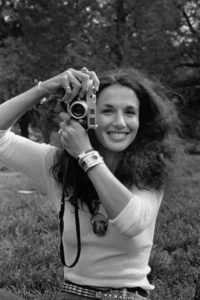
Mary Ellen Mark
Shared publisher: Getty Publications, Steidl
10 photobook(s) in the library
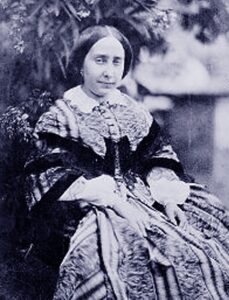
Anna Atkins
Shared publisher: Getty Publications, Steidl
5 photobook(s) in the library
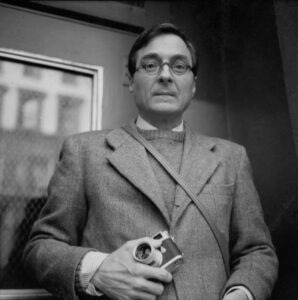
William Eggleston
Shared publisher: Steidl
26 photobook(s) in the library
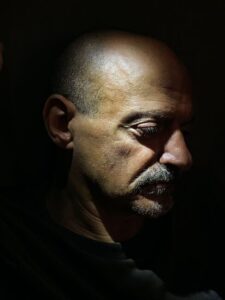
Antoine D'Agata
Shared publisher: Steidl
22 photobook(s) in the library
COMMUNITY DISCUSSION
Discuss this entry
Share interpretations, reading notes, and source-aware questions. For catalog corrections, use the feedback form below.
No discussion yet. Start the first focused conversation.
Sign in to join the discussion.
Optionally receive a digest when related photobooks are added to the catalog.
See something incorrect? Sign in to suggest a correction or report an issue.