Photographer
David Bailey
David Bailey (born 2 January 1938) is an English photographer and director who became a defining figure in the visual culture of the 1960s. Raised in London during the Second World War, he emerged from a working-class East End background to reshape modern portraiture. After starting as a photographer’s assistant in the late 1950s, he began working for British Vogue in 1960, quickly gaining acclaim for bold, unvarnished imagery that broke with mid-century studio conventions. His extensive career encompasses editorial fashion, commercial campaigns, fine-art projects, and documentary filmmaking.
Bailey’s visual language is characterized by immediacy, graphic clarity, and an uncompromising rejection of artificial polish. Working primarily in black and white, he adopted minimalist setups featuring stark white or neutral backdrops, naturalistic lighting, and tight frontal framing. Rather than staging elaborate fantasies, he captured a raw, spontaneous energy that mirrored the rebellious ethos of post-war youth culture. His subjects appear direct and unguarded, with natural skin textures and casual postures. By stripping away extraneous decorative elements, Bailey distilled individual personality with sharp psychological focus, distinguishing his output from more traditional fashion photography of the period.
Among his key publications is the 1964 photobook ‘Box of Pin-Ups’, a landmark collection of portraits featuring prominent figures such as Mick Jagger, The Beatles, and boxer Henry Cooper. His celebrated creative partnership with model Jean Shrimpton became synonymous with the ‘Swinging London’ aesthetic. Bailey also created notable commercial imagery, including the cover photograph for The Rolling Stones’ 1964 debut album. Later titles, such as ‘Goodbye Baby & Amen’ (1969) and the comprehensive ‘David Bailey Archive’ (2014), broadened his scope to social documentation and international travel, demonstrating his sustained versatility.
Historically, Bailey was instrumental in elevating fashion photography into a recognized cultural medium. Alongside peers Terence Donovan and Brian Duffy—collectively dubbed the ‘Terrible Three’—he brought a streetwise, working-class attitude into the pages of elite magazines. His work has been exhibited at major institutions including the Victoria and Albert Museum and the Hayward Gallery, and he was appointed CBE in 2001. His charismatic persona inspired the protagonist of Michelangelo Antonioni’s 1966 film ‘Blow-Up’, cementing his legacy as an enduring emblem of the British cultural revolution.
For photobook collectors, Bailey’s volumes represent critical primary documents of twentieth-century visual history. ‘Box of Pin-Ups’ is particularly sought after for its distinctive design, comprising loose, oversized prints that challenged traditional book formats. Retrospective monographs like ‘Bailey’s Stardust’ (2014) and ‘Eye’ (2015) showcase careful sequencing and superior print production. Collectors often regard ‘Box of Pin-Ups’ as the essential entry point to his early style, while larger surveys provide a thorough examination of his enduring contribution to photographic art.
〔PBL-BIO/2〕



Bettina Rheims
Shared publisher: Steidl, Taschen
6 photobook(s) in the library
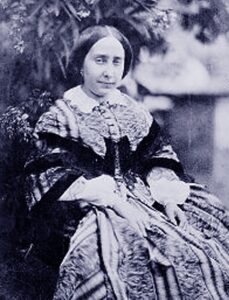
Anna Atkins
Shared publisher: Steidl, Taschen
5 photobook(s) in the library
Jeanloup Sieff
Shared publisher: Steidl, Taschen
2 photobook(s) in the library
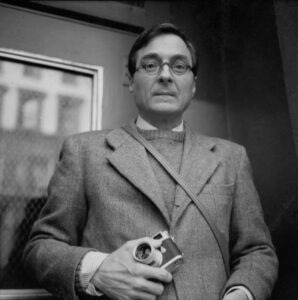
William Eggleston
Shared publisher: Steidl
26 photobook(s) in the library
COMMUNITY DISCUSSION
Discuss this entry
Share interpretations, reading notes, and source-aware questions. For catalog corrections, use the feedback form below.
No discussion yet. Start the first focused conversation.
Sign in to join the discussion.
Optionally receive a digest when related photobooks are added to the catalog.
See something incorrect? Sign in to suggest a correction or report an issue.