Photographer
Laia Abril
Laia Abril is a Catalan multidisciplinary artist born in Barcelona in 1986. She works with photography, text, sound, and installation, bringing together forms that can move between documentary, research, and visual essay. Abril initially trained as a journalist before turning to photography, and that background continues to shape her careful investigation of difficult social and cultural questions. Her practice addresses bio-politics, grief, and women’s rights, with particular attention to the ways institutions, histories, and social beliefs affect bodies and intimate lives.
Abril’s visual language avoids sensationalism. Instead, she builds layered narratives through extensive archival research, interviews, historical imagery, personal testimony, and reportage. Her projects often expose what she describes as hidden histories of gendered violence and bodily autonomy, while leaving room for contradiction and complexity. Photography is therefore only one part of her method: texts, found documents, and printing processes contribute equally to the construction of meaning. The result is an expanded form of documentary that asks viewers to read, compare, and reflect rather than consume difficult material quickly.
Her ongoing project A History of Misogyny examines how patriarchal structures have shaped women’s lives across different cultures. Its first chapter, On Abortion (2018), investigates the realities and consequences of unsafe abortion around the world, combining research with testimonies, historical images, and documentary accounts. The project treats abortion not as an isolated subject but as a question connected to law, medicine, religion, social control, and bodily autonomy. An earlier work, The Epilogue (2014), turns toward the effects of grief and suicide within a family, revealing Abril’s sustained interest in intimacy, trauma, and the difficulty of representing personal experience.
These projects have appeared as photobooks and in international exhibitions, including at C/O Berlin in Germany. Abril’s significance lies in the patience and duration of her research: she confronts urgent feminist issues without reducing them to simple statements or easily consumed images. Her work has contributed to wider conversations about documentary photography’s relationship to activism, evidence, and memory. At the same time, her use of testimony and archive remains attentive to the responsibilities involved in presenting painful histories, encouraging viewers to approach them with concentration and nuance.
For photobook collectors, Abril is especially notable for treating the book as an active part of the work rather than a neutral container. Sequencing, paper, typography, layout, and the relation between image and text all participate in meaning. Created in close collaboration with publishers and designers, her books offer both visual pleasure and sustained intellectual engagement. On Abortion is a useful entry point because of its clear research structure and broad discussion, while The Epilogue provides insight into an earlier stage of her development. Taken together, Abril’s photobooks form an important contemporary archive of feminist visual criticism and expanded documentary practice.
〔PBL-BIO/2〕


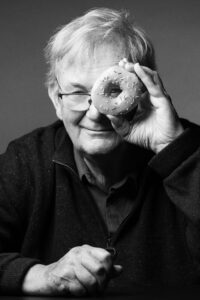
Martin Parr
Shared publisher: Dewi Lewis Publishing
21 photobook(s) in the library
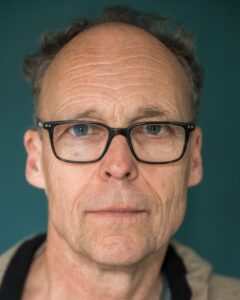
Peter Bialobrzeski
Shared publisher: Dewi Lewis Publishing
20 photobook(s) in the library
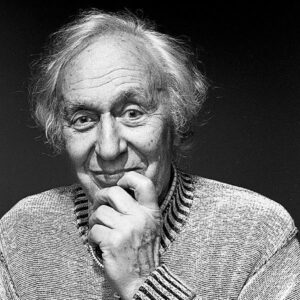
William Klein
Shared publisher: Dewi Lewis Publishing
10 photobook(s) in the library
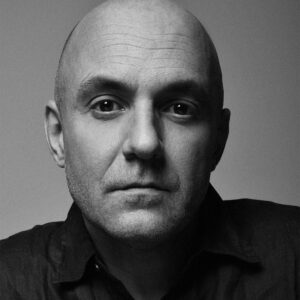
Lorenzo Castore
Shared publisher: Dewi Lewis Publishing
9 photobook(s) in the library
COMMUNITY DISCUSSION
Discuss this entry
Share interpretations, reading notes, and source-aware questions. For catalog corrections, use the feedback form below.
No discussion yet. Start the first focused conversation.
Sign in to join the discussion.
Optionally receive a digest when related photobooks are added to the catalog.
See something incorrect? Sign in to suggest a correction or report an issue.