Photographer
Manuel Álvarez Bravo
Manuel Álvarez Bravo (1902–2002) is widely recognized as the pioneer of artistic photography in Mexico and the most influential figure in 20th-century Latin American photography. Emerging during the post-revolutionary cultural explosion known as the Mexican Renaissance, his career spanned eight decades. His poetic, black-and-white images deftly synthesized avant-garde European modernism—such as Cubism and Surrealism—with native Mexican folklore, daily street life, rituals, and the omnipresent themes of life and death. He famously rejected standard exotic or picturesque stereotypes of Mexico, choosing instead to capture deeply psychological, ironic, and dreamlike ordinary moments. Bravo collaborated closely with legendary muralists Diego Rivera, José Clemente Orozco, and David Alfaro Siqueiros, and was heavily encouraged by Tina Modotti and Edward Weston. His masterpieces, such as “The Daydream” (1931) and “The Daughter of the Dancers” (1933), secured his placement in the world’s definitive master collections.


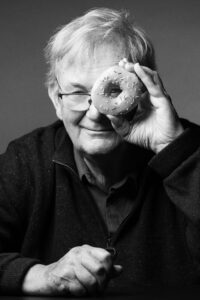
Martin Parr
Shared publisher: Aperture, Rm
21 photobook(s) in the library
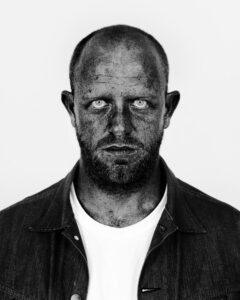
Pieter Hugo
Shared publisher: Aperture, Rm
9 photobook(s) in the library

Dorothea Lange
Shared publisher: Aperture, Chronicle Books
8 photobook(s) in the library
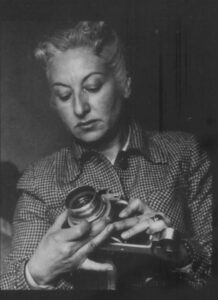
Lola Álvarez Bravo
Shared publisher: Aperture, Rm
4 photobook(s) in the library
COMMUNITY DISCUSSION
Discuss this entry
Share interpretations, reading notes, and source-aware questions. For catalog corrections, use the feedback form below.
No discussion yet. Start the first focused conversation.
Sign in to join the discussion.
Optionally receive a digest when related photobooks are added to the catalog.
See something incorrect? Sign in to suggest a correction or report an issue.