Photographer
Kenro Izu
Kenro Izu (born 1949 in Osaka, Japan) is an internationally revered Japanese-American master photographer, humanitarian, and educator celebrated globally for his monumental, deeply spiritual large-format studies of ancient sacred monuments and the human condition. Izu pursued formal artistic training at the Nihon University College of Art in Tokyo, specializing in photography. In 1972, he relocated to New York City, establishing a highly successful commercial studio specializing in high-end still-life advertising. However, a transformative 1979 expedition to the ancient pyramids of Giza sparked a lifelong, profound creative shift. Turning away from fleeting commercial aesthetics, Izu embarked on a multi-decade global pilgrimage to systematically document the world’s most sacred landscapes—including Stonehenge, Angkor Wat, Borobudur, and the remote monasteries of Tibet and Bhutan—viewing the camera as a spiritual medium to capture the invisible essence of cosmic harmony and absolute stillness.
Izu’s artistic methodology is an extraordinary testament to manual precision and physical endurance. He shoots exclusively with a customized, custom-built Deardorff large-format view camera utilizing massive 14×20-inch film negatives, a technical setup weighing over 300 pounds that he transports to remote, high-altitude mountain ranges and dense tropical jungles. In his specialized darkroom, he processes these contacts using the historic 19th-century platinum/palladium printing method, coating hand-made watercolor paper with noble metals. This painstaking technique yields an unparalleled tonal scale, rich velvety darks, and a micro-detailed surface texture that mimics the ancient stone architecture he documents. He achieved profound international critical and institutional recognition through these breakthrough portfolios, culminating in landmark monographs including Sacred Places (2001) and Bhutan: A Sacred Eye (2007). A deeply compassionate humanitarian, Izu was so moved by the plight of landmine victims during his travels that he founded Friends Without a Border in 1995, a non-profit organization that constructed the Angkor Hospital for Children in Cambodia.
His active artistic production and immense archival legacy have extended seamlessly into the mid-2020s through successive landmark series that investigate still-lifes, botanical structures, and human vulnerability. Notable recent projects include Requiem (2017), mapping volcanic destructions in Pompeii, and Eternal Light (2025), a deeply meditative color series documenting the spiritual rituals of life and death along the Ganges River in Varanasi. His continuous prestige was celebrated through major 2025 and 2026 museum retrospectives, including high-profile solo features at the Howard Greenberg Gallery in New York and institutional collections across Asia and Europe. Izu is a recipient of photography’s highest honors, including fellowships from the John Simon Guggenheim Memorial Foundation, the National Endowment for the Arts, and the Lucie Award for Visionary Photography. His master prints are permanently curated in over forty premier repositories worldwide, including the Metropolitan Museum of Art, the Museum of Modern Art, the J. Paul Getty Museum, the San Francisco Museum of Modern Art, and the Tokyo Metropolitan Museum of Photography.



Michael Kenna
Shared publisher: NAZRAELI, Nazraeli Press
22 photobook(s) in the library
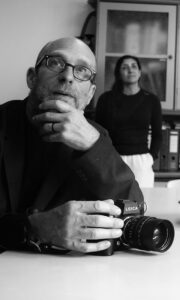
Todd Hido
Shared publisher: NAZRAELI, Nazraeli Press
21 photobook(s) in the library
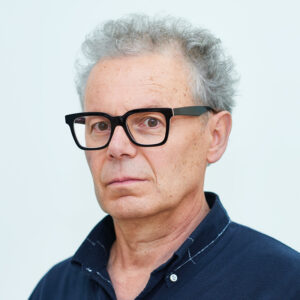
Walter Niedermayr
Shared publisher: Skira, Steidl
15 photobook(s) in the library
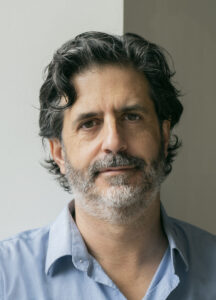
Alec Soth
Shared publisher: Nazraeli Press, Steidl
13 photobook(s) in the library
COMMUNITY DISCUSSION
Discuss this entry
Share interpretations, reading notes, and source-aware questions. For catalog corrections, use the feedback form below.
No discussion yet. Start the first focused conversation.
Sign in to join the discussion.
Optionally receive a digest when related photobooks are added to the catalog.
See something incorrect? Sign in to suggest a correction or report an issue.