Photographer
Jeanne Moutoussamy-Ashe
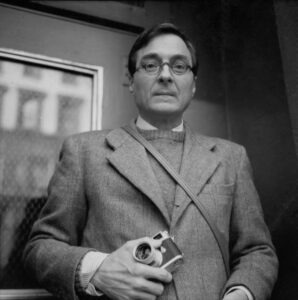
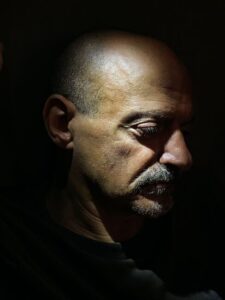
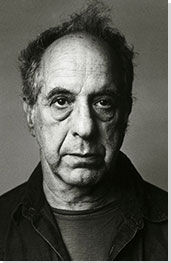
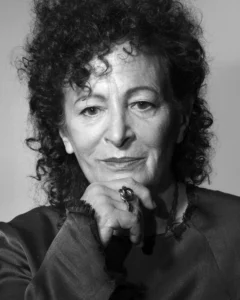
Jeanne Moutoussamy-Ashe (born July 9, 1951, in Chicago, Illinois) is an internationally celebrated African American master photographer, author, visual historian, and activist whose multi-decade practice focuses on the contemporary experience of Blackness through humanist street photography. She began practicing photography at the age of eighteen, pursuing formal creative training at the Cooper Union School of Art in New York, where she studied under legendary street photographers Garry Winogrand and Tod Papageorge, graduating with a Bachelor of Fine Arts in 1975. Following her academic training, she undertook a transformative six-month independent photographic study across West Africa, analyzing local village dynamics. In March 1977, she made art history during a solo expedition to Johannesburg by capturing her definitive image Black Man, White Woman, which perfectly crystallized the daily, systemic friction and forced spatial segregations of the South African apartheid state.
Moutoussamy-Ashe achieved profound international critical and institutional acclaim with her monumental long-term visual project mapping the Gullah Geechee community, culminating in her landmark 1982 monograph, Daufuskie Island: Photographs by Jeanne Moutoussamy-Ashe. Traveling to the isolated Sea Islands of South Carolina, she documented the lives of formerly enslaved descendants who had maintained distinct West African cultural traditions, foodways, and basket-making methods. Her quiet, deeply empathetic gelatin silver prints bypassed binary journalistic clichés, capturing everyday domestic rhythms and spiritual rites of passage before modern real estate development altered the region. Her visual anthropology reached another critical milestone through her foundational 1986 historical text, Viewfinders: Black Women Photographers, which stood as the very first comprehensive research directory excavating the overlooked contributions of Black female photographers in America from the 1840s onward.
Following the tragic death of her husband, tennis legend Arthur Ashe, from AIDS-related complications in 1993, she gracefully synthesized her camera practice with humanitarian activism, authoring the acclaimed therapeutic photo story Daddy and Me to demystify the illness for children. She subsequently directed the Arthur Ashe Endowment for the Defeat of AIDS and was appointed by President Bill Clinton as an alternate representative of the United States to the 50th United Nations General Assembly. Her active artistic practice and legacy have been celebrated through major mid-2020s institutional retrospectives, notably the high-profile solo exhibition Jeanne Moutoussamy-Ashe and the Last Gullah Islands hosted at the Whitney Museum of American Art through mid-2025. Her vintage master prints are permanently curated in the core collections of the world’s definitive repositories, including the Museum of Modern Art, the Whitney Museum of American Art, the National Gallery of Art, and the Smithsonian National Museum of African American History and Culture.

COMMUNITY DISCUSSION
Discuss this entry
Share interpretations, reading notes, and source-aware questions. For catalog corrections, use the feedback form below.
No discussion yet. Start the first focused conversation.
Sign in to join the discussion.
Optionally receive a digest when related photobooks are added to the catalog.
See something incorrect? Sign in to suggest a correction or report an issue.