Photographer
Joel Meyerowitz
Joel Meyerowitz (born March 6, 1938 in New York) is an influential American photographer celebrated as one of the pioneers who legitimized color photography as a serious artistic medium. Over a career spanning more than six decades, Meyerowitz has become renowned for his street photography, large‑format landscapes, and lyrical studies of light, place, and human presence. His work has been exhibited in over 350 museum and gallery shows worldwide and is held in major collections including MoMA, the International Center of Photography, and the Museum of Contemporary Photography in Chicago.[1](https://www.joelmeyerowitz.com/bio/)[2](https://en.wikipedia.org/wiki/Joel_Meyerowitz)
A Bronx native, Meyerowitz studied art and medical illustration at Ohio State University before starting his professional life as an art director in advertising. In 1962, after witnessing Robert Frank photographing on set, he left the agency and immediately began photographing the streets of New York. Working in both black‑and‑white and color, he became a central figure in 1960s and 70s street photography alongside Garry Winogrand and Lee Friedlander. By 1972 he committed fully to color, well ahead of mainstream institutional recognition, helping transform the artistic status of color photography.[2](https://en.wikipedia.org/wiki/Joel_Meyerowitz)
In addition to his street work, Meyerowitz embraced large‑format photography, producing quiet, meticulously composed landscapes and seascapes that expanded the expressive potential of color. His seminal book “Cape Light” (1978) remains one of the most influential publications in the history of color photography. A two‑time Guggenheim Fellow and recipient of major awards from both the National Endowment for the Arts and the National Endowment for the Humanities, Meyerowitz has published more than fifty books across genres.[1](https://www.joelmeyerowitz.com/bio/)
Meyerowitz also served as the sole photographer granted unrestricted access to Ground Zero following the September 11 attacks. Over nine months, he created a comprehensive archive of the site and its recovery, culminating in “Aftermath: World Trade Center Archive” (2006), now considered a landmark documentary project. In 2017 he was inducted into the Leica Hall of Fame for his lifelong contributions to photography. He continues to work between New York and London.[2](https://en.wikipedia.org/wiki/Joel_Meyerowitz)


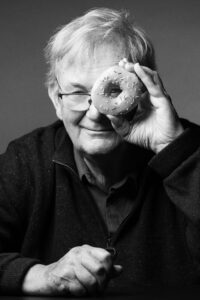
Martin Parr
Shared publisher: Aperture, Damiani
21 photobook(s) in the library
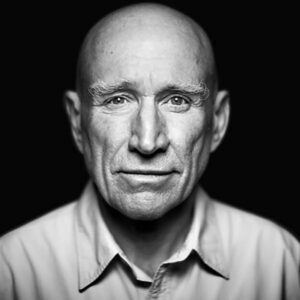
Sebastiao Salgado
Shared publisher: Aperture, Phaidon
21 photobook(s) in the library
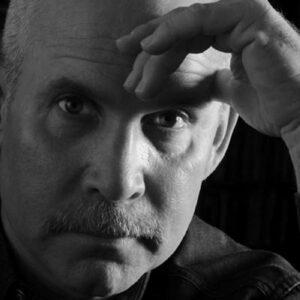
Steve McCurry
Shared publisher: Laurence King Publishing, Phaidon
18 photobook(s) in the library
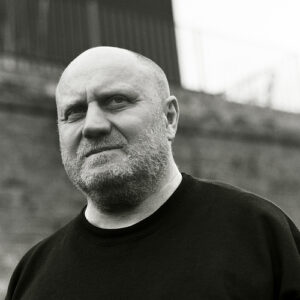
Nick Waplington
Shared publisher: Aperture, Damiani
18 photobook(s) in the library
COMMUNITY DISCUSSION
Discuss this entry
Share interpretations, reading notes, and source-aware questions. For catalog corrections, use the feedback form below.
No discussion yet. Start the first focused conversation.
Sign in to join the discussion.
Optionally receive a digest when related photobooks are added to the catalog.
See something incorrect? Sign in to suggest a correction or report an issue.