Photographer
Carlos Javier Ortiz
Carlos Javier Ortiz is an American photographer, director, and cinematographer whose work centers on the intertwined social issues of urban life, gun violence, race, poverty, and marginalized communities. Based primarily in the United States, Ortiz moves fluidly between still photography and experimental documentary film, often combining text, projections, and personal testimonies to build immersive, long-term documentary projects. His practice is rooted in collaboration: he invites his subjects to share their own narratives, transforming the traditional power dynamic between photographer and subject into a more reciprocal process of testimony.
Ortiz gained early experience as a staff photographer for “Chicago In The Year 2000,” a yearlong project that immersed him in the fabric of Chicago’s neighborhoods. That formative engagement with the city likely shaped his enduring focus on systemic issues affecting African American and Latino communities. Rather than pursuing single dramatic moments, Ortiz invests years in communities, documenting how structural forces—such as poverty and racial inequality—manifest in daily life. His approach differs from that of conventional photojournalists because he emphasizes sustained relationships and narrative depth over breaking news, often pairing images with written first-person accounts from his subjects.
Among his significant bodies of work are long-form projects linked to urban violence and mass incarceration. These projects have been exhibited internationally, and his photographs are held in permanent collections including the Schomburg Center for Research in Black Culture, the Museum of Contemporary Photography, the George Eastman Museum, and the Library of Congress. In 2016, his film “We All We Got” won Best Documentary Short at the Crested Butte Film Festival, underscoring his ability to expand his documentary practice beyond still images into motion and sound.
Ortiz’s work has appeared in major outlets such as The Atlantic, The New York Times, Newsweek, The Washington Post, Time, NPR, The Guardian, and Stern, demonstrating a reach that extends from gallery walls into mainstream journalism. This dual presence helps bridge documentary art and public discourse, making his images accessible to audiences far beyond the art world.
For photobook collectors, Ortiz’s practice suggests a deliberate approach to sequencing and design that pairs image with text, reflecting his commitment to giving voice to subjects. While specific photobook editions are not detailed in public records, his museum collections and long-term methodology indicate a serious engagement with the physical and narrative form of the book. Collectors interested in socially engaged documentary photography with a focus on American urban experience would find Ortiz’s output a compelling entry point into contemporary conversations about race, violence, and community resilience.
〔PBL-BIO/2〕

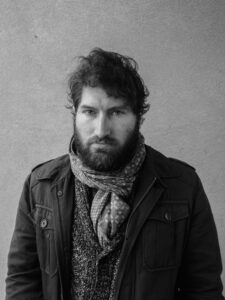
Peter van Agtmael
Shared publisher: Red Hook Editions
7 photobook(s) in the library

Jason Eskenazi
Shared publisher: Red Hook Editions
4 photobook(s) in the library

Igor Posner
Shared publisher: Red Hook Editions
2 photobook(s) in the library

Ben Brody
Shared publisher: Red Hook Editions
1 photobook(s) in the library
COMMUNITY DISCUSSION
Discuss this entry
Share interpretations, reading notes, and source-aware questions. For catalog corrections, use the feedback form below.
No discussion yet. Start the first focused conversation.
Sign in to join the discussion.
Optionally receive a digest when related photobooks are added to the catalog.
See something incorrect? Sign in to suggest a correction or report an issue.