Photographer
Chris Rainier
Chris Rainier (born 1958) is a Canadian-American documentary photographer, filmmaker, and National Geographic Society Explorer renowned for his lifelong work documenting endangered cultures, traditional languages, and remote wilderness regions. His photography focuses on the intersection of cultural resilience, spiritual tradition, and environmental preservation. Over several decades, he has collaborated extensively with Indigenous communities around the world, producing imagery that brings global attention to cultural knowledge at risk of disappearing.
Rainier was notably the last photographic assistant to Ansel Adams in the early 1980s, a formative mentorship that shaped his belief in photography as a tool for social and environmental action. He later served in major roles at the National Geographic Society, including co-directing the Enduring Voices Language Project and directing the All Roads Photography Program, which supports Indigenous storytellers and cultural documentation. He is also the founder and director of the Cultural Sanctuaries Foundation, dedicated to creating protected cultural zones around the world.
Throughout his career, Rainier has worked with global organizations including the United Nations, UNESCO, Amnesty International, Conservation International, and the Smithsonian Institution. He has photographed conflict zones, famines, and humanitarian crises in regions such as Somalia, Bosnia, Rwanda, Sudan, Ethiopia, and Cambodia. His work has been exhibited internationally and held in major museum collections, including the Bibliothèque Nationale de France, the International Center of Photography, the George Eastman Museum, and the National Geographic Society. Rainier has authored several influential books, including “Keepers of the Spirit,” “Where Masks Still Dance: New Guinea,” “Ancient Marks,” and “Cultures on the Edge.” He continues to advocate for cultural and environmental preservation through visual storytelling and field-based initiatives.



Joel Sternfeld
Shared publisher: Bulfinch Press
16 photobook(s) in the library
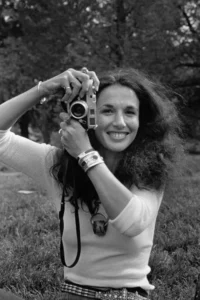
Mary Ellen Mark
Shared publisher: Bulfinch Press
10 photobook(s) in the library
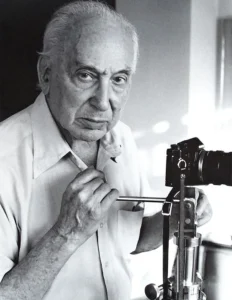
André Kertész
Shared publisher: Bulfinch Press
8 photobook(s) in the library
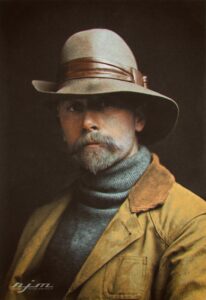
Edward S. Curtis
Shared publisher: Bulfinch Press
4 photobook(s) in the library
COMMUNITY DISCUSSION
Discuss this entry
Share interpretations, reading notes, and source-aware questions. For catalog corrections, use the feedback form below.
No discussion yet. Start the first focused conversation.
Sign in to join the discussion.
Optionally receive a digest when related photobooks are added to the catalog.
See something incorrect? Sign in to suggest a correction or report an issue.