Photographer
Nadav Kander
Nadav Kander (born 1961 in Tel Aviv) is an internationally acclaimed photographer, artist, and director based in London, known for his psychologically charged portraiture, atmospheric landscapes, and introspective visual narratives. Raised in South Africa before relocating to the United Kingdom in 1986, Kander began photographing at age thirteen and later worked in a South African Air Force darkroom printing aerial photographs, an experience that shaped his early understanding of photographic nuance and tonal subtlety.
Kander’s work spans portraiture, editorial commissions, and long‑form landscape projects. His landmark series *Yangtze – The Long River* (2006–2009), a meditative exploration of China’s rapidly transforming environments, earned him the prestigious Prix Pictet award and established him as one of the leading contemporary landscape photographers. Other major projects include *Dust*, a haunting study of Cold War ruins in Kazakhstan and Russia; *Bodies. 6 Women, 1 Man*, a sculptural exploration of the human form; and his ongoing series *Dark Line – The Thames Estuary*.
Kander is equally known for his portrait work, including *Obama’s People*, a 52‑portrait commission for The New York Times Magazine, the largest portfolio ever published by a single photographer in one issue of the magazine. His portraits—often marked by quiet tension, psychological depth, and restrained stillness—have become defining images of cultural figures, politicians, and artists worldwide.
Over the course of his career, Kander has published several monographs and exhibited widely at institutions including the National Portrait Gallery, the Victoria and Albert Museum, and numerous international museums and galleries. His work is held in major public collections across Europe and North America. A recipient of the Royal Photographic Society Honorary Fellowship and multiple international awards, Kander is regarded as one of the most significant photographic voices of his generation, continually expanding the emotional and conceptual range of contemporary image‑making.


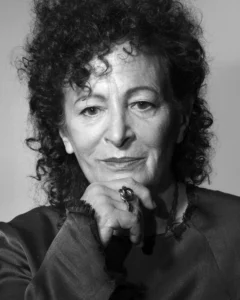
Nan Goldin
Shared publisher: Steidl, teNeues
17 photobook(s) in the library
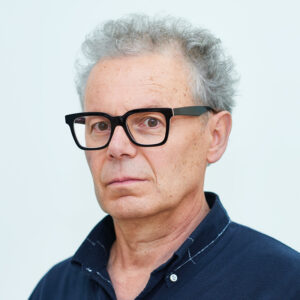
Walter Niedermayr
Shared publisher: Hatje Cantz, Steidl
15 photobook(s) in the library
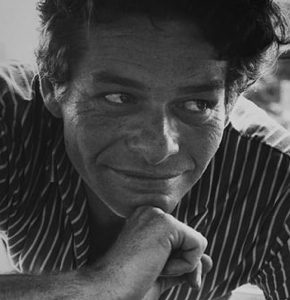
Garry Winogrand
Shared publisher: Arena Editions, Steidl
11 photobook(s) in the library
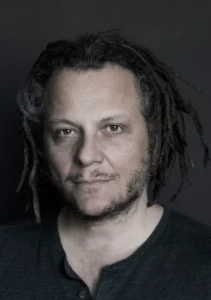
Martin Schoeller
Shared publisher: Steidl, teNeues
6 photobook(s) in the library
COMMUNITY DISCUSSION
Discuss this entry
Share interpretations, reading notes, and source-aware questions. For catalog corrections, use the feedback form below.
No discussion yet. Start the first focused conversation.
Sign in to join the discussion.
Optionally receive a digest when related photobooks are added to the catalog.
See something incorrect? Sign in to suggest a correction or report an issue.