Photographer
An-My Lê
An-My Lê (born 1960 in Saigon, Vietnam) is a Vietnamese-American photographer known for her rigorously composed, large-format images that explore the entanglement of war, landscape, memory, and representation. Having fled Vietnam with her family in 1975, she later settled in the United States, where the experience of displacement and the cultural narratives surrounding the Vietnam War became central to her artistic investigation. Working at the intersection of documentary and staged photography, she constructs images that examine how conflict is trained for, reenacted, remembered, and mythologized.
Her major series include “Viet Nam” (1994–1998), which juxtaposes personal memory with the contemporary Vietnamese landscape; “Small Wars” (1999–2002), a nuanced study of Vietnam War reenactments in the U.S.; and “29 Palms” (2003–2004), which documents Marine Corps training exercises in the California desert simulating Middle Eastern war zones. Her later projects, including “Events Ashore” and the ongoing “Silent General,” expand her scope to global military presence, political symbolism, and the cultural landscapes shaped by American power. Throughout her work, Lê uses the landscape as a stage on which histories—personal, national, and geopolitical—are enacted and reconsidered.
Lê’s photographs have been widely exhibited at major institutions including MoMA, SFMOMA, the Carnegie Museum of Art, the Milwaukee Art Museum, and international museums and biennials. She has received numerous honors, including a MacArthur Fellowship, Guggenheim Fellowship, and awards recognizing her contributions to contemporary photography. She is a professor of photography at Bard College and continues to create work that interrogates the politics of representation, the aesthetics of conflict, and the porous boundaries between reality and its reenactment.


Dorothea Lange
Shared publisher: Aperture, The Museum of Modern Art
8 photobook(s) in the library
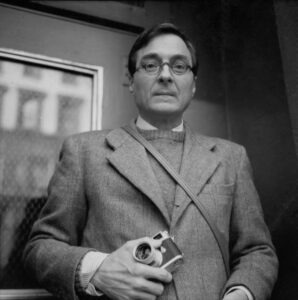
William Eggleston
Shared publisher: Aperture
26 photobook(s) in the library
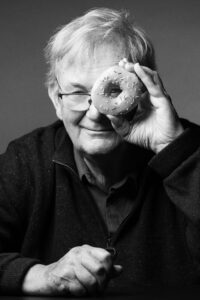
Martin Parr
Shared publisher: Aperture
21 photobook(s) in the library
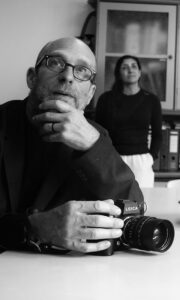
Todd Hido
Shared publisher: Aperture
21 photobook(s) in the library
COMMUNITY DISCUSSION
Discuss this entry
Share interpretations, reading notes, and source-aware questions. For catalog corrections, use the feedback form below.
No discussion yet. Start the first focused conversation.
Sign in to join the discussion.
Optionally receive a digest when related photobooks are added to the catalog.
See something incorrect? Sign in to suggest a correction or report an issue.