Photographer
Peter Lindbergh
Peter Lindbergh, born Peter Brodbeck in 1944 and active until his death in 2019, was a German fashion photographer and film director whose career developed between Düsseldorf and Paris. He turned toward photography after moving to Düsseldorf in 1971 and relocated to Paris in 1978. Working at the point where editorial fashion, portraiture, and cinematic storytelling overlap, he became closely associated with the emergence of the supermodel phenomenon during the 1980s.
Lindbergh’s signature language favored black-and-white imagery, restrained makeup, visible skin, and an atmosphere that could feel more documentary than polished. Rather than treating models simply as surfaces for clothes, he photographed them as recognizable personalities moving through streets, beaches, industrial settings, or loosely staged narratives. Museum commentary credits him with introducing sustained storytelling into fashion series. This approach distinguished his work from the more cosmetic and highly controlled idealization common to fashion photography, although the apparent naturalness remained carefully directed and produced within the commercial system.
His Vogue work of the 1980s and early 1990s forms one major body of images. Group portraits of the women who came to define the supermodel era replaced isolated glamour with camaraderie, movement, and collective presence; their cultural importance lies partly in how editorial photography helped construct a new kind of international celebrity. His work for the Pirelli Calendar extended that emphasis on personality and physical presence, while campaigns for Dior and Louis Vuitton demonstrated how his muted, cinematic vocabulary could operate within luxury advertising. Taken together, these commissions show consistency across magazines, calendars, and campaigns rather than a strict division between personal art and commercial practice.
Lindbergh’s career is historically significant because he helped redirect late-twentieth-century fashion imagery toward narrative, emotional immediacy, and a less retouched conception of beauty. Exhibitions and institutional biographies, including material presented by Kunsthal Rotterdam, have situated him within both fashion history and contemporary photography. His development from Düsseldorf to Paris also reflects the international structure of the fashion press, in which photographers moved among editorial assignments, advertising, portraiture, and film.
Photobook collectors should pay attention to how Lindbergh’s photographs change when removed from a magazine or campaign and arranged as sustained sequences. His work depends not only on individual icons but also on shifts between close portraits, group scenes, environments, and cinematic intervals. Because the supplied evidence does not establish particular book titles, editions, publishers, or printing specifications, those details should be checked volume by volume. A useful entry point is a publication that brings together his Vogue, Pirelli, and major fashion commissions, allowing readers to evaluate tonal reproduction, narrative pacing, image scale, and the relationship between editorial context and retrospective design.
〔PBL-BIO/2〕


Ellen von Unwerth
Shared publisher: Schirmer/Mosel, Taschen
7 photobook(s) in the library
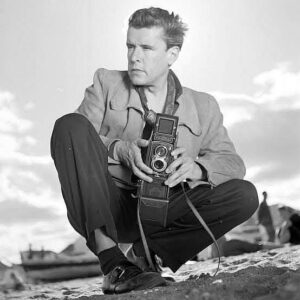
Herbert List
Shared publisher: Schirmer Mosel, Schirmer/Mosel
7 photobook(s) in the library
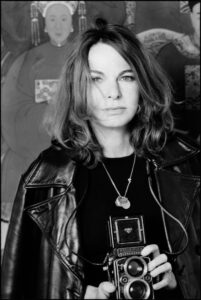
Bettina Rheims
Shared publisher: Schirmer/Mosel, Taschen
6 photobook(s) in the library
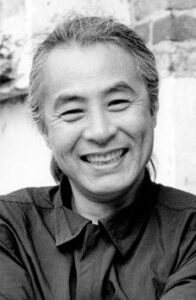
Keiichi Tahara
Shared publisher: Assouline, Taschen
2 photobook(s) in the library
COMMUNITY DISCUSSION
Discuss this entry
Share interpretations, reading notes, and source-aware questions. For catalog corrections, use the feedback form below.
No discussion yet. Start the first focused conversation.
Sign in to join the discussion.
Optionally receive a digest when related photobooks are added to the catalog.
See something incorrect? Sign in to suggest a correction or report an issue.