Photographer
Nicholas Nixon
Nicholas Nixon (born October 27, 1947, in Detroit, Michigan) is an American photographer widely associated with the revival of large-format photography in the 1970s. He has worked primarily in black and white with an 8×10 view camera, producing images known for their ease, intimacy, and directness. Nixon has been based in Boston since the 1970s, where he has also taught and maintained a long artistic engagement with the people and places around him.
Nixon’s visual language is grounded in patient observation and a deliberate, unfussy approach. The 8×10 camera requires slow, careful setups, yet his portraits often feel spontaneous and unposed. This tension between an imposing tool and a gentle, attentive eye gives his work a distinctive psychological depth. Unlike many documentary photographers of his generation who favored smaller, quicker formats, Nixon embraced a cumbersome camera to achieve extreme detail and tonal range, capturing his subjects with a rare combination of formal rigor and emotional vulnerability.
His most celebrated project, The Brown Sisters, began in 1975 and continues to the present. Each year Nixon photographs his wife, Bebe, and her three sisters in the same configuration, creating a series that traces the passage of time and the subtle changes in aging, relationships, and personal presence. Alongside this iconic work, Nixon produced significant series such as People with AIDS, a sensitive and candid portrait of individuals living with the disease during the 1980s, School, which documents students and teachers in often vulnerable moments, and Pictures of People, a broad study of human faces and postures. These bodies of work together reveal his sustained interest in the dignity and complexity of ordinary human experience.
Nixon played a role in the broader rejection of the then-dominant formalist photography, aligning instead with an updated social documentary impulse. His work has been exhibited widely, including a major retrospective at the Institute of Contemporary Art/Boston titled “Nicholas Nixon: Persistence of Vision,” which underscores his long-term commitment to photographing relationships and communities over decades. His prints and series are held by major institutions and he has been represented by galleries such as Fraenkel Gallery in San Francisco and Robert Klein Gallery in Boston, indicating his stature within the photography world.
For collectors, Nixon’s photographs offer more than iconic imagery; they represent a patient, systematic practice that rewards close attention. The Brown Sisters, in particular, has become a landmark of serial photography, appreciated for both its emotional arc and its formal consistency. Nixon’s large-format prints are celebrated for their deep blacks and luminous mid-tones, qualities that the 8×10 negative makes possible. While individual prints command attention, the strength of his œuvre lies in the cumulative power of the sequences—perhaps the reason that photography books and portfolios that reproduce his series remain essential entry points. Nixon’s work reminds us that the camera can be a tool for connection, measured over years rather than moments.
〔PBL-BIO/2〕


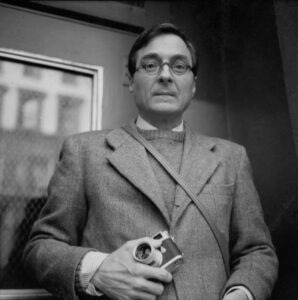
William Eggleston
Shared publisher: Museum of Modern Art
26 photobook(s) in the library
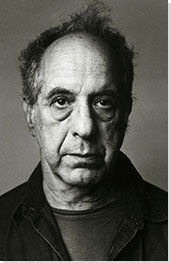
Robert Frank
Shared publisher: Museum of Modern Art
19 photobook(s) in the library
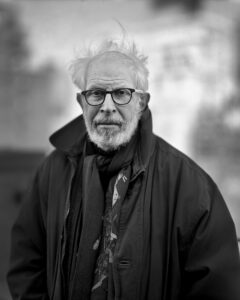
Stephen Shore
Shared publisher: Museum of Modern Art
14 photobook(s) in the library
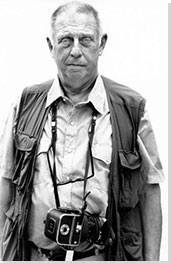
Lee Friedlander
Shared publisher: Museum of Modern Art
13 photobook(s) in the library
COMMUNITY DISCUSSION
Discuss this entry
Share interpretations, reading notes, and source-aware questions. For catalog corrections, use the feedback form below.
No discussion yet. Start the first focused conversation.
Sign in to join the discussion.
Optionally receive a digest when related photobooks are added to the catalog.
See something incorrect? Sign in to suggest a correction or report an issue.