Photographer
Robert Polidori
Robert Polidori is a Canadian-American photographer, born in Montreal in 1951, whose career has centered on architecture, interiors, and urban environments. Rather than treating buildings as neutral design objects, he photographs human habitats as repositories of memory. His subjects often reveal the coexistence of past and present: decoration, damage, repair, abandonment, and continued occupation become evidence of the social lives that rooms and cities have absorbed.
Polidori is particularly associated with meticulously detailed, large-format color photography. The descriptive capacity of the format allows peeling surfaces, architectural ornament, scattered possessions, and structural change to remain legible across the image. Yet detail is not simply technical display. His measured viewpoints and atmospheric interiors turn physical traces into prompts for psychological and historical interpretation. Compared with photographers who emphasize architectural perfection or dramatic reportage, Polidori often holds back from the decisive event. He examines what environments retain afterward, using stillness and visual density to connect private experience with broader histories.
Two bodies of work provide useful points of entry. His photographs of Chernobyl address a landscape and built environment transformed by nuclear disaster, where abandoned domestic and institutional spaces register catastrophe through their material remains. The work’s force comes from the tension between extensive visual information and the absence of the people whose routines once animated those rooms. After the Flood, associated with his photographs of New Orleans following Hurricane Katrina, similarly studies damaged interiors rather than reducing disaster to a single emblematic moment. Across both projects, ruin can be visually compelling, which creates an ethical tension: the pictures invite prolonged looking while requiring viewers to remember that formal complexity is inseparable from displacement, loss, and political circumstance.
Polidori’s practice can be understood within the expansion of large-scale color photography in late twentieth- and early twenty-first-century art, while retaining links to documentary and architectural traditions. His 1998 World Press Award and 2020 Guggenheim Fellowship indicate recognition across journalistic and artistic contexts, and gallery profiles from Kasmin, Sundaram Tagore, and Edwynn Houk reflect his sustained exhibition presence. The Metropolitan Museum of Art has also featured him in its Artist Project series. For photobook collectors, his work rewards formats that preserve scale, color separation, and fine surface detail. Chernobyl and After the Flood offer especially coherent entry points: sequencing can move the reader from room to room and from evidence to aftermath, creating a slower, more cumulative encounter than an isolated print or news image permits.
〔PBL-BIO/2〕


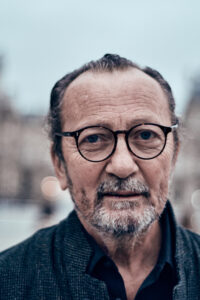
Paolo Roversi
Shared publisher: Rizzoli, Steidl
5 photobook(s) in the library

Juergen Teller
Shared publisher: Rizzoli, Steidl
4 photobook(s) in the library
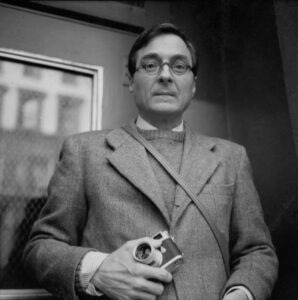
William Eggleston
Shared publisher: Steidl
26 photobook(s) in the library
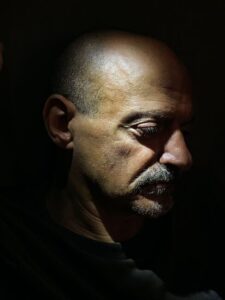
Antoine D'Agata
Shared publisher: Steidl
22 photobook(s) in the library
COMMUNITY DISCUSSION
Discuss this entry
Share interpretations, reading notes, and source-aware questions. For catalog corrections, use the feedback form below.
No discussion yet. Start the first focused conversation.
Sign in to join the discussion.
Optionally receive a digest when related photobooks are added to the catalog.
See something incorrect? Sign in to suggest a correction or report an issue.