Photographer
Betty Yu
Betty Yu is a photographer, filmmaker, multimedia artist, and activist born and raised in New York City to Chinese immigrant parents. Her practice sits at the intersection of documentary image-making, socially engaged art, and community activism. Although her work moves across film, photography, and public projects, a central concern is how personal and collective memory is sustained, contested, and transformed through lived experience and cultural change.
Yu’s visual language is built on the careful use of personal and family archives. Rather than treating photographs as neutral records, she places them in dialogue with historical material and present-day struggles. This approach gives her work an intimate texture while connecting family stories to larger histories of migration, labor, discrimination, and resistance. Her perspective differs from more detached documentary traditions because she is often embedded in the communities she represents, and she frames image-making as a form of political and social participation rather than simply observation.
Her major photobook “Family Amnesia: Chinese American Resilience” (Daylight Books) draws on Yu’s own family photographs and archival documents. The title names a condition of forgetting, but the project works against that erasure. It combines domestic images with materials that evoke histories of Asian American immigrant organizing, resilience, and struggle. The book matters because it uses the family album not as nostalgia but as a living archive of survival and political memory. It was included in the International Center of Photography’s survey “Photobooks USA 2000–25,” which situates it among consequential photobooks of the period. This institutional context indicates how Yu’s work is being read within broader debates about photography, publishing, and representation.
Yu is also an educator and a longtime presence in public photography contexts. She has been listed as a professor and MFA alum in Hunter College’s Integrated Media Arts program, and her work was featured at Photoville Festival, a prominent New York public photography event. She has also been included in Society for Photographic Education conference programming. These platforms reflect her standing among documentary educators and socially engaged practitioners. Descriptions of her as an award-winning filmmaker and artist appear in institutional biographies, though the search materials do not detail specific awards, so that characterization should be understood as general professional recognition rather than a precise list of honors.
For photobook collectors and students of contemporary documentary practice, “Family Amnesia” is a useful entry point into the archival turn in American photobooks. The book’s interest lies less in technical spectacle than in its layering of family photographs, historical records, and a politicized sense of memory. Its inclusion in the ICP survey suggests it is part of current conversations about how photobooks can function as public history. Collectors should approach it as a materially and thematically significant work about Asian American experience and grassroots resilience, supported by a publisher, Daylight Books, with a documentary and socially engaged list. The work invites slow reading rather than market speculation, and its value is best understood through its contribution to immigrant histories and community-based image practice.
〔PBL-BIO/2〕


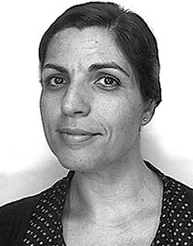
Inbal Abergil
Shared publisher: Daylight Books
2 photobook(s) in the library
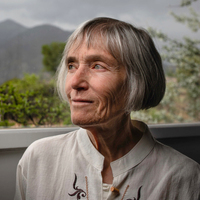
Susan Ressler
Shared publisher: Daylight Books
2 photobook(s) in the library
Jenny Sampson
Shared publisher: Daylight Books
2 photobook(s) in the library
Norm Diamond
Shared publisher: Daylight Books
2 photobook(s) in the library
COMMUNITY DISCUSSION
Discuss this entry
Share interpretations, reading notes, and source-aware questions. For catalog corrections, use the feedback form below.
No discussion yet. Start the first focused conversation.
Sign in to join the discussion.
Optionally receive a digest when related photobooks are added to the catalog.
See something incorrect? Sign in to suggest a correction or report an issue.