Photographer
Weegee
Weegee was the professional name of Arthur Fellig (1899–1968), an American photographer and photojournalist identified above all with New York City. Born in Zolochiv and later based in New York, he turned the modern metropolis—particularly its nocturnal emergencies, crowds, entertainments, and social contrasts—into the setting for a highly recognizable form of news photography. His public persona became inseparable from the work: by presenting himself as “Weegee the Famous,” he helped transform a working press photographer into a national celebrity.
His signature pictures are stark black-and-white photographs of crimes and other newsworthy events, frequently made at night. Direct flash isolates bodies, faces, police, and spectators against dark streets, producing abrupt tonal contrasts and a raw, “hot off the press” immediacy. Yet his subject was not violence alone. His New York also contains exuberance and tenderness, and he often paid as much attention to witnesses and onlookers as to the event itself. This responsiveness to the surrounding human drama distinguishes the photographs from routine evidentiary news images, although their theatrical force also raises enduring questions about spectacle, intrusion, and the consumption of suffering.
His landmark first book, “Naked City” (1945), carried that vision beyond daily newspapers and extended his influence among photographers. Its importance lies in converting separate assignments into a sustained portrait of urban life, where catastrophe, curiosity, leisure, and inequality occupy the same visual world. “Weegee’s People” (1946) shifted the emphasis toward the city’s inhabitants and reinforced his interest in expressive faces and social types. “Naked Hollywood” (1953) applied his sardonic eye to another image-producing city, providing a useful counterpoint to the New York work and showing how his career developed after his rise to fame.
Weegee occupies an important position between tabloid photojournalism and the later institutional history of street photography. The Whitney Museum of American Art records his work, while retrospective attention has included “Weegee’s World: Life, Death and the Human Drama,” an exhibition bringing together more than 200 images, and “Weegee the Famous” at The Photographers’ Gallery. Such presentations reveal a broader range than his reputation for crime scenes alone and clarify how a vernacular press style entered museum and gallery discussions of photographic authorship.
For photobook collectors, “Naked City” is the essential entry point because it demonstrates how recurring motifs and editorial juxtaposition can turn topical pictures into a coherent metropolitan narrative. “Weegee’s People” offers a complementary route through portraiture, while “Naked Hollywood” shows his established visual persona operating in a changed cultural setting. Read together, the books make visible the tension central to his achievement: photographs made for immediate public consumption acquired a second life through selection, sequencing, and republication.
〔PBL-BIO/2〕

WeeGee: The Society of the Spectacle

Weegee's Naked City

The Weegee Guide to New York

Weegee: Murder is My Business

Strangelove’s Weegee

Immaginare New York

Weegee: Photographs from the J. Paul Getty Museum

Naked City

Weegee's New York

Weegee: Naked New York

Weegee's World

Weegee's New York: 335 Photographs 1935-1960

Weegee

Weegee (Aperture History Photography)
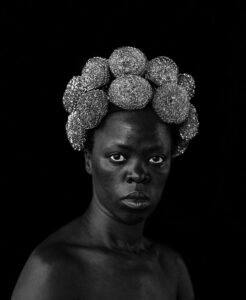
Zanele Muholi
Shared publisher: 5 Continents Editions, Aperture
6 photobook(s) in the library
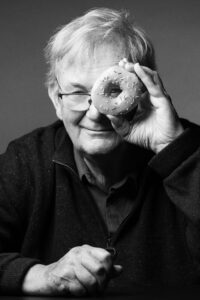
Martin Parr
Shared publisher: Aperture, Damiani
21 photobook(s) in the library
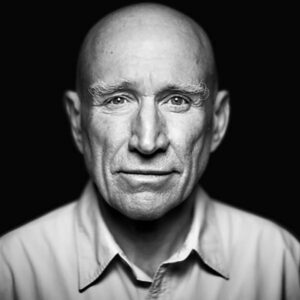
Sebastiao Salgado
Shared publisher: Aperture, Prestel
21 photobook(s) in the library
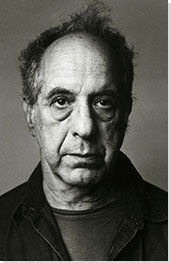
Robert Frank
Shared publisher: 5 Continents Editions, Aperture
19 photobook(s) in the library
COMMUNITY DISCUSSION
Discuss this entry
Share interpretations, reading notes, and source-aware questions. For catalog corrections, use the feedback form below.
No discussion yet. Start the first focused conversation.
Sign in to join the discussion.
Optionally receive a digest when related photobooks are added to the catalog.
See something incorrect? Sign in to suggest a correction or report an issue.