
Preview Pages
Preview note
These previously imported sample images have not yet been matched to this specific edition.
Videos
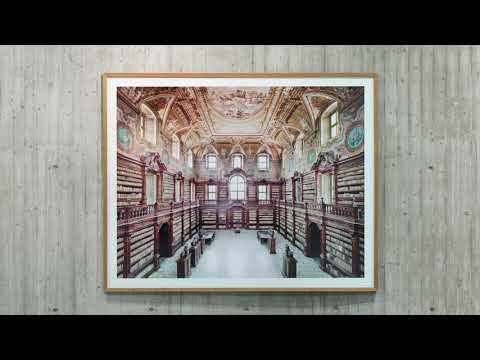
Candida Höfer \'Libraries: The Return\' 2020
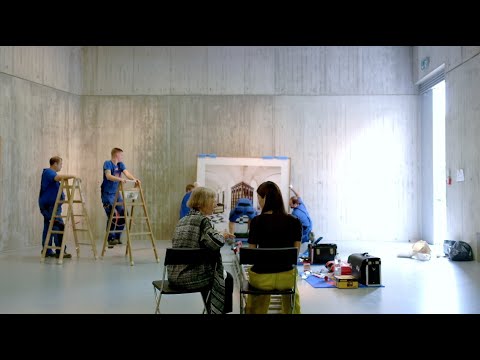
CANDIDA HÖFER \"LIBRARIES: THE RETURN\"
Reviews & Articles
Candida Höfer – Libraries
Candida Höfer’s book, Libraries, is a photographic exploration of library interiors worldwide, showcasing their architectural and cultural diversity. The images focus on the core spaces of libraries—halls, shelves, reading areas, and computer terminals—often excluding people to emphasize structural design. Höfer uses large format color photography to capture details ranging from grand, ornate spaces to the intimate, worn bindings of books. The work reflects on libraries as repositories of knowledge and cultural identity, highlighting their evolving role in the digital age. An essay by Umberto Eco provides an insightful introduction to the book’s themes.
Read Article
Silent Libraries, Loud Hype: Why Candida Höfer’s Empty Rooms Are Big Money Art
Candida Höfer’s photography features empty libraries, theaters, and palaces, capturing architectural interiors devoid of people. Her large-format, symmetrical images have gained renewed popularity in museums, auctions, and on social media, where they serve as aesthetic inspirations for study vibes and architectural appreciation. Höfer’s work, rooted in the Düsseldorf School of photography, commands high prices in the art market due to its meticulous composition and historical significance. Key series include the Bibliothèque Nationale de France, Zentralbibliothek Hamburg, and Teatro La Fenice in Venice. Her quiet, controlled images contrast sharply with viral digital trends, embodying themes of power, culture, and memory.
Read Article
I Don’t Want to Bother People
This article explores the early photographic journey of Candida Höfer, who was inspired by her journalist father and began photographing Turkish guest workers in Germany during the 60s and 70s. She felt uneasy about interrupting her subjects but continued her passion. In her thirties, she attended the Art Academy in Düsseldorf for film studies before Bernd and Hilla Becher established the first official photography class, where she was the only female student to focus on interior photography. Höfer is recognized as a key member of the Düsseldorf School and photographs interiors based on her personal feelings rather than external opinions.
Read Article
COMMUNITY DISCUSSION
Discuss this entry
Share interpretations, reading notes, and source-aware questions. For catalog corrections, use the feedback form below.
No discussion yet. Start the first focused conversation.
Sign in to join the discussion.
See something incorrect? Sign in to suggest a correction or report an issue.