
Preview Pages
Videos
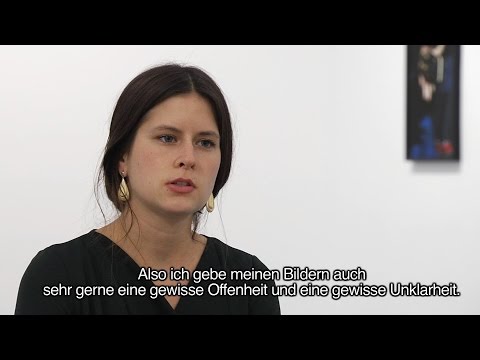
Land of Black Milk (Stefanie Moshammer, OstLicht exhibition interview)
Reviews & Articles
Stefanie Moshammer, Land of Black Milk
Olga Yatskevich reviews how the Skinnerboox edition makes the placement of words as consequential as the photographs. Early color plates sit opposite short lines at the foot of white pages, including an image of pink cotton candy with banknotes fastened to the bags. Yatskevich explains how the adjacent wording adds a more troubling register to the cheerful colors. She then follows the sequence through a textless stretch of black-and-white spreads and into the return of color, when the pictures move to the left and words appear on black. Her reading also follows a recurring detail across the sequence, from the red cloth behind two iceboxes to a vendor’s improvised head covering.
Read Article
Instagram Takeover: Stefanie Moshammer
Photoworks brings together posts Stefanie Moshammer wrote while taking over its Instagram account in 2017. In one caption she identifies Caio as a photograph made in Rio de Janeiro in 2016 and confirms that it appears in the newly published Land of Black Milk. Photoworks places that photograph in a practice shaped by direct observation and personal impressions that can take on a poetic form. Moshammer also describes a separate triptych about finding common ground across cultural differences and introduces individual works from Young Gods and I Can Be Her. Her captions bring each photograph back to the questions of its own series.
Read Article
Stefanie Moshammer: Land of Black Milk
OstLicht’s archive documents the Vienna exhibition that paired Moshammer’s Rio project with Vegas and She in autumn 2016. The gallery identifies tightly cropped details and sharply contrasting colors as ways she brings a sense of theatrical lighting to photographs of real places. It points to the surfaces of Las Vegas, from hotel mirrors to pink cars, and to the density of vegetation, housing, and consumer objects in her pictures of Rio. The exhibition text reads the two projects as personal portraits of places with well-known public images, and argues that their film-like sequences leave room for fiction within a documentary approach.
Read Article
Showing 3 of 4 articles View all →
Award history
- 2016
Unseen Dummy Award
Other award · Shortlisted
Shortlisted in 2016 for the prepublication dummy, one year before the Skinnerboox edition.
COMMUNITY DISCUSSION
Discuss this entry
Share interpretations, reading notes, and source-aware questions. For catalog corrections, use the feedback form below.
No discussion yet. Start the first focused conversation.
Sign in to join the discussion.
See something incorrect? Sign in to suggest a correction or report an issue.